

Fuel costs are a significant expense for many drivers. Reducing fuel consumption not only saves money but also benefits the environment. Efficient driving habits can make a noticeable difference in how much fuel your vehicle uses. Small adjustments in behavior, vehicle maintenance, and route planning can collectively improve mileage. Understanding these habits is essential for anyone looking to drive smarter and more sustainably.
Braking and Smooth Acceleration
Aggressive acceleration and sudden braking increase fuel consumption. Rapid changes in speed require more energy from the engine. By accelerating gradually and anticipating stops, drivers can reduce fuel use. Smooth driving also decreases wear and tear on brakes and tires, lowering maintenance costs. Developing this habit ensures a more consistent and economical ride.
Maintaining Steady Speeds
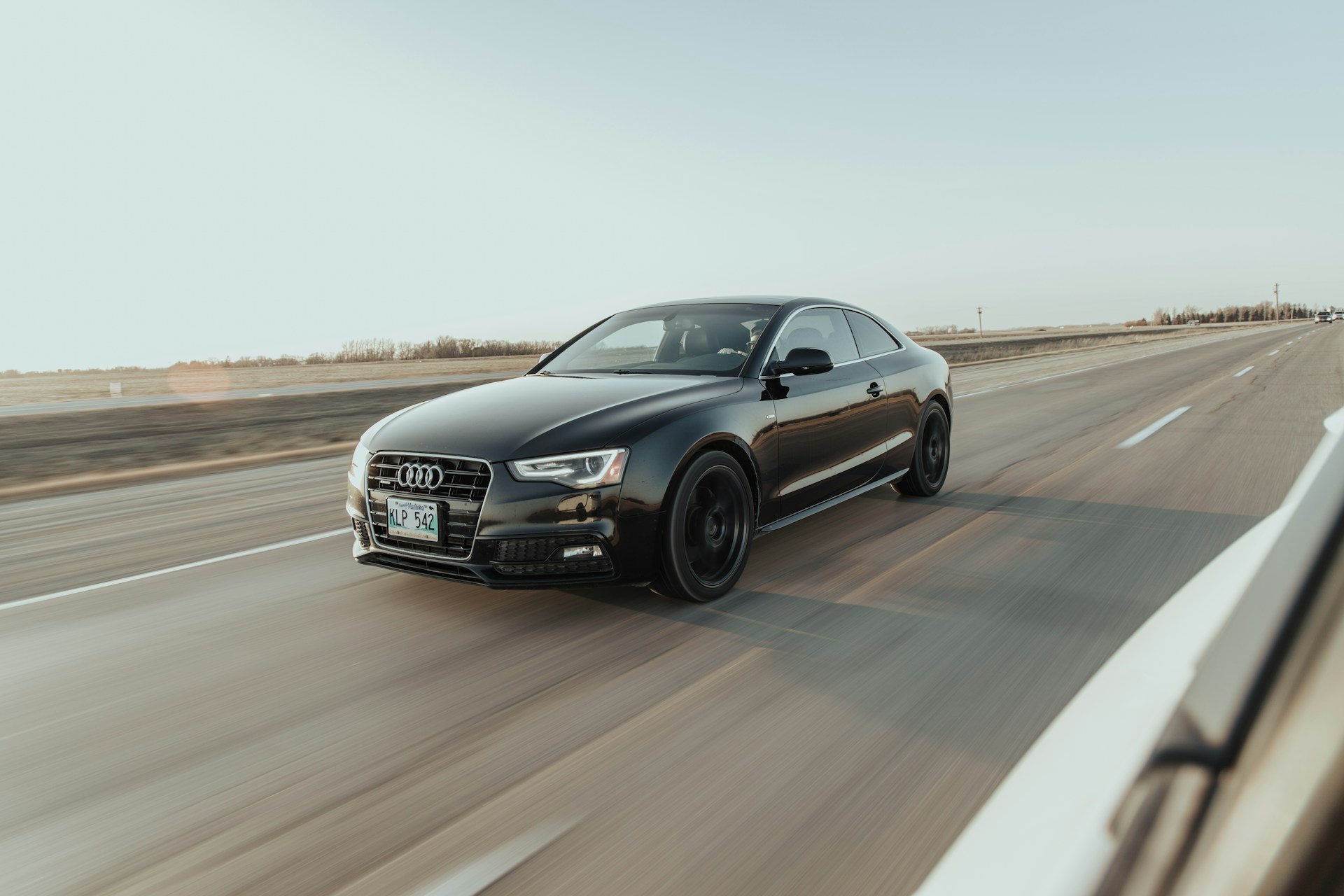
Frequent speed fluctuations waste fuel. Using cruise control on highways helps maintain a steady pace, which improves efficiency. High speeds generally consume more fuel due to increased air resistance. Driving at moderate speeds is safer and more economical. Even small reductions in average speed can lead to significant savings over time.
Considering Proper Tire Maintenance
Tires directly impact fuel efficiency. Under-inflated tires increase rolling resistance, making the engine work harder. Regularly checking tire pressure and ensuring it meets manufacturer recommendations is crucial. Proper alignment and tire rotation also enhance efficiency. Well-maintained tires contribute to safer handling and smoother driving.
Reducing Idle Time
Idling wastes fuel and emits unnecessary pollutants. Turning off the engine when stopped for extended periods saves energy. Modern engines restart easily, so brief stops do not negatively impact performance. Limiting idle time is a simple yet effective way to reduce consumption while also benefiting the environment.
Lightening the Load
Extra weight in a vehicle increases fuel consumption. Carrying unnecessary items, especially heavy cargo, makes the engine work harder. Removing roof racks or luggage when not in use also reduces drag. Driving lighter improves acceleration and overall fuel economy. This approach encourages mindful loading and energy-efficient habits.
Using Air Conditioning Wisely
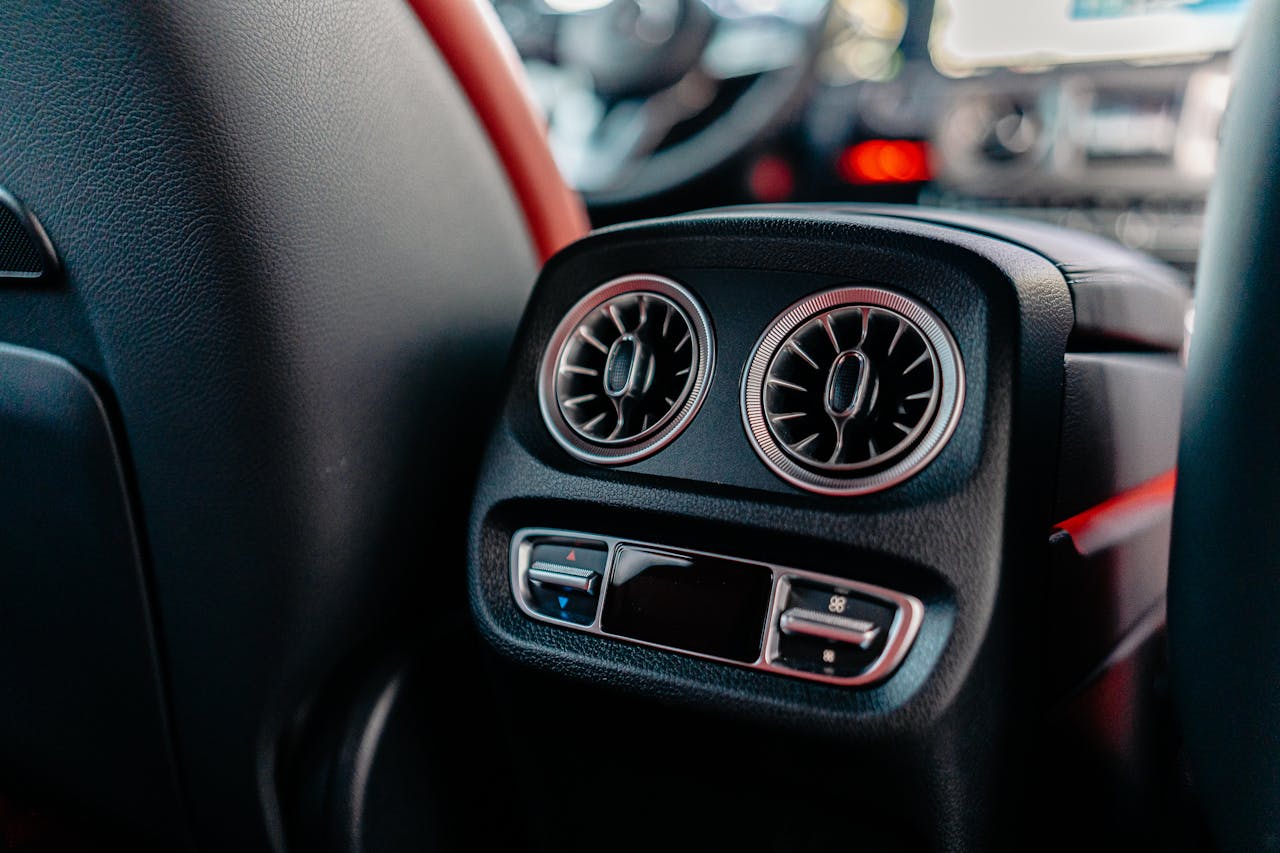
Air conditioning affects fuel efficiency because it adds extra load to the engine. Using it only when necessary or adjusting the temperature moderately can reduce fuel use. At lower speeds, opening windows may be more efficient, while at higher speeds, the drag caused by open windows can increase consumption. Balancing comfort and efficiency is key.
Planning Routes Efficiently
Frequent stops, traffic jams, and long detours increase fuel consumption. Planning routes ahead and avoiding congested areas helps maintain steady driving. GPS and traffic apps provide real-time updates, allowing drivers to select the fastest or most fuel-efficient path. Efficient route planning saves both time and fuel.
Performing Regular Vehicle Maintenance
A well-maintained vehicle performs more efficiently. Regular oil changes, clean air filters, and timely servicing help the engine run smoothly. Neglected vehicles consume more fuel and are prone to breakdowns. Maintenance ensures the car operates at peak efficiency, extending its lifespan and reducing long-term costs.
Fuel efficiency is influenced by both driving habits and vehicle condition. Smooth acceleration, steady speeds, proper tire care, and reduced idling are practical ways to lower consumption. Additionally, using air conditioning wisely, planning routes, and maintaining your vehicle help maximize fuel savings. Adopting these habits not only saves money but also contributes to a cleaner environment. Smart driving and regular maintenance create a more efficient and enjoyable driving experience.